
Even When Therapy Is Going Well
Therapy can be going well and still not feel like enough.
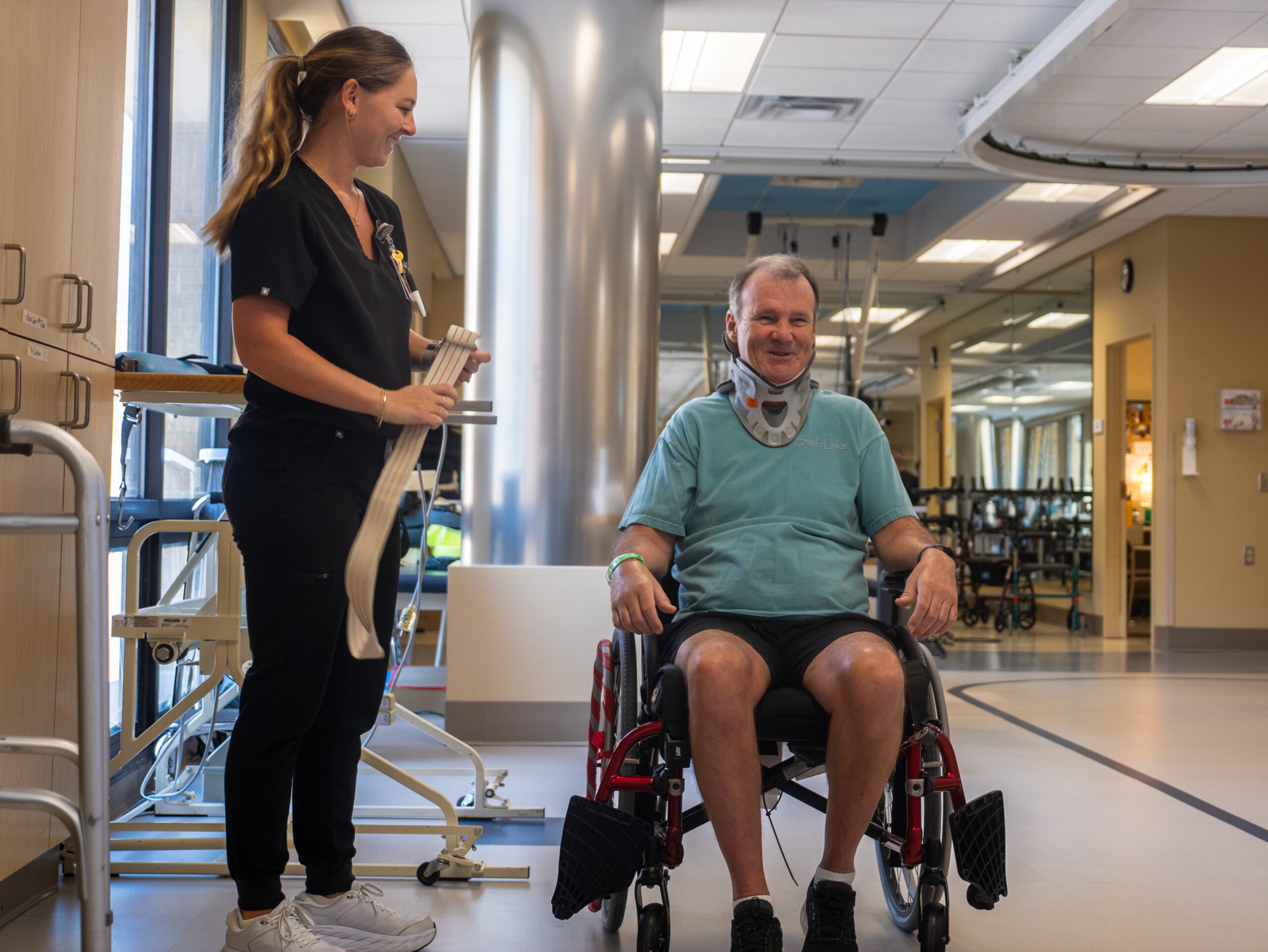
Patients may be walking farther, moving better, and doing more than they could just days before. But when they return to the rhythm of daily life, those same tasks can feel overwhelming, inconsistent, and exhausting.
From an occupational therapy perspective, this disconnect is not unexpected. Improvement in a structured, clinical setting does not always translate to independence in the complexity of everyday life.
Understanding why requires looking beyond the therapy session itself.
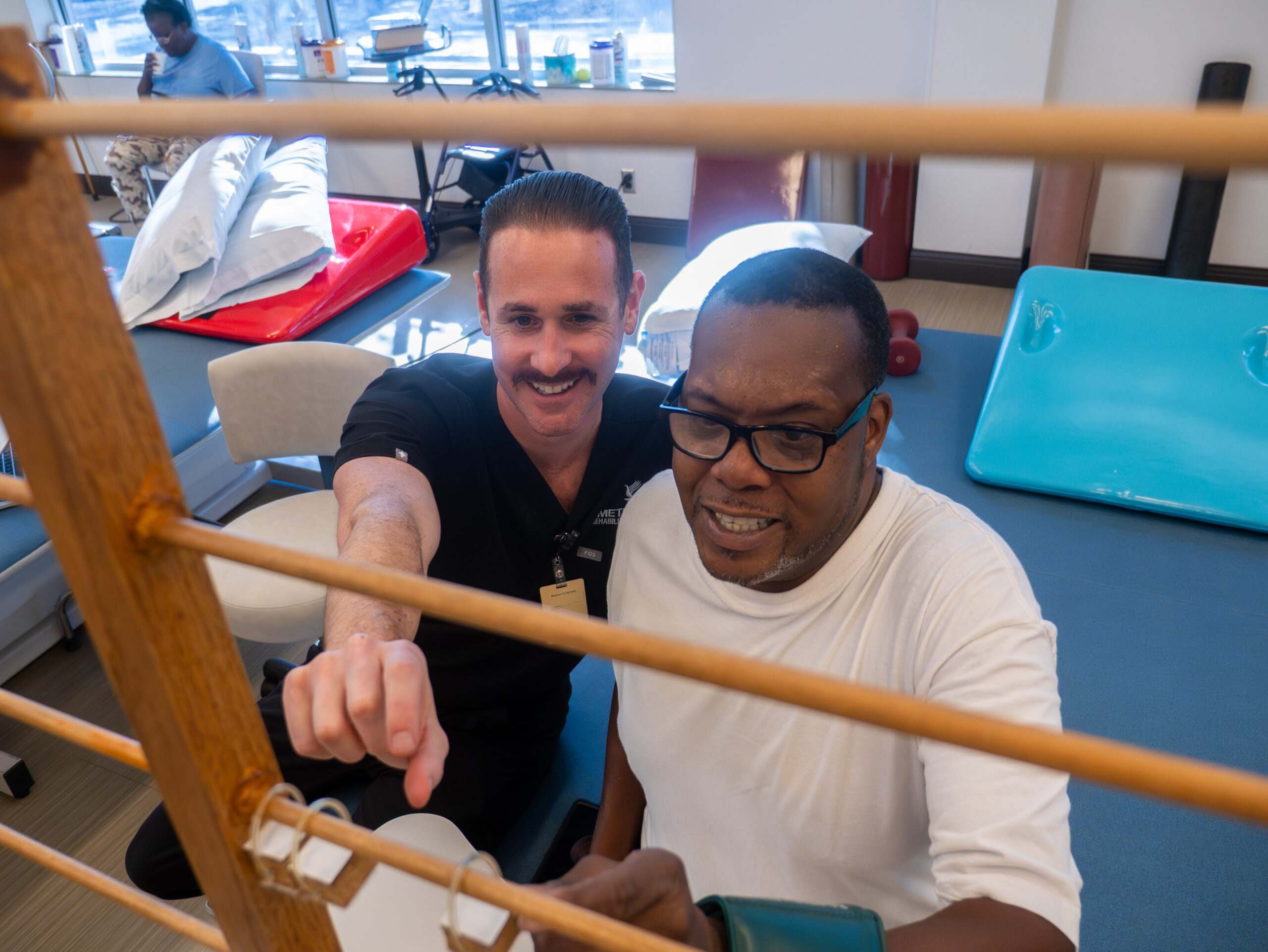
Inside a therapy gym, progress is often clear and measurable. Movements are practiced with intention. Tasks are broken down into manageable parts. There is guidance, structure, and focus. In that environment, patients are set up to succeed, and many do.
Strength improves. Balance stabilizes. Movements become more controlled. These gains are real, and they matter. They are the building blocks of recovery.
But progress in a controlled setting tells only part of the story.
When Real Life Enters the Equation
Daily life does not always offer the same conditions.
At home, tasks rarely exist in isolation. They require multitasking, decision-making, endurance, and adaptability. Something as routine as doing laundry becomes a layered process that involves lifting, sorting, transferring, balancing, and remembering. Preparing a meal requires planning, sequencing, timing, and coordination, often all at once. Even getting ready for an appointment can demand more energy and attention than expected.
Fatigue compounds this challenge. What feels manageable during a therapy session may feel overwhelming after a full day. Energy is no longer reserved for one task. It is divided across many. Medical conditions, poor sleep, stress, and the mental effort required to stay focused all contribute to a level of exhaustion that can quietly undo earlier success.
What once felt automatic becomes deliberate. What once felt simple becomes complex.
The Work Beneath the Surface
Recovery is not just physical.
After injury, especially neurological injury, patients are often relearning how to think through tasks that once required no thought at all. Attention, problem-solving, and time management all play a role in daily function. A single task may require holding multiple steps in mind, adjusting to small errors, and maintaining focus in the presence of distraction.
At the same time, the body and brain depend on repetition to rebuild. Progress is driven by consistency, by returning to the same movements and routines again and again. But life does not pause to make space for that consistency. Stress, responsibilities, and unexpected disruptions can make it difficult to sustain.
Recovery is also not linear. There are slower days, setbacks, and moments when progress feels invisible. These fluctuations are not signs of failure. They are part of the process.
Often, the most meaningful progress is also the easiest to miss. Tasks require less effort. Movements become more controlled. Confidence builds gradually. While patients may focus on what has not yet returned, these smaller gains are what make long-term independence possible.
Redefining What Normal Looks Like
One of the most difficult parts of recovery is adjusting expectations.
The desire to return to a previous version of normal is natural. But for some patients, recovery can involve something different. It requires learning what a new normal looks like.
This is not about lowering expectations or forcing optimism. It is about recognizing that independence may look different than it once did. Tasks may take more time. They may require new strategies. But different does not mean diminished.
Recovery also does not happen in isolation. Support from family, friends, or others navigating similar challenges can play a critical role in both physical and emotional healing.
In the end, recovery is not defined by a single moment of arrival. It is defined by persistence, by the willingness to continue, even when progress feels slow, and by allowing time for the body and brain to do the complex work of healing.
Not all at once.
But steadily, and often more meaningfully than it first appears.
