
Nurses Week gives us a moment each year to recognize something that is often easy to overlook in the pace of healthcare. It is a time set aside to honor nurses, their history, and the role they continue to play in shaping patient care. At Methodist Rehab, it also becomes a reminder of how central nurses are to every recovery story that unfolds within our walls.
History of Nurses Week
The origin of Nurses Week goes back to the recognition of Florence Nightingale, widely known as the founder of modern nursing. Her work during the Crimean War in the 1850s changed how care was delivered, especially around sanitation, organization, and patient dignity. Her efforts helped establish nursing as a profession built on both science and compassion. Years later, in 1953, Dorothy Sutherland from the U.S. Department of Health, Education, and Welfare proposed a National Nurses Day to honor that legacy. President Eisenhower did not approve it at the time, but the idea continued to grow. In 1974, President Nixon officially proclaimed a National Nurses Week. Today, it’s a permanent annual observance running from May 6 through May 12, which also marks Florence Nightingale’s birthday.
That history matters because it reminds us that nursing has always been about more than tasks or routines. It has always been about care that is grounded in humanity, discipline, and the belief that people deserve dignity during their most vulnerable moments. That same foundation is alive today in rehabilitation nursing.
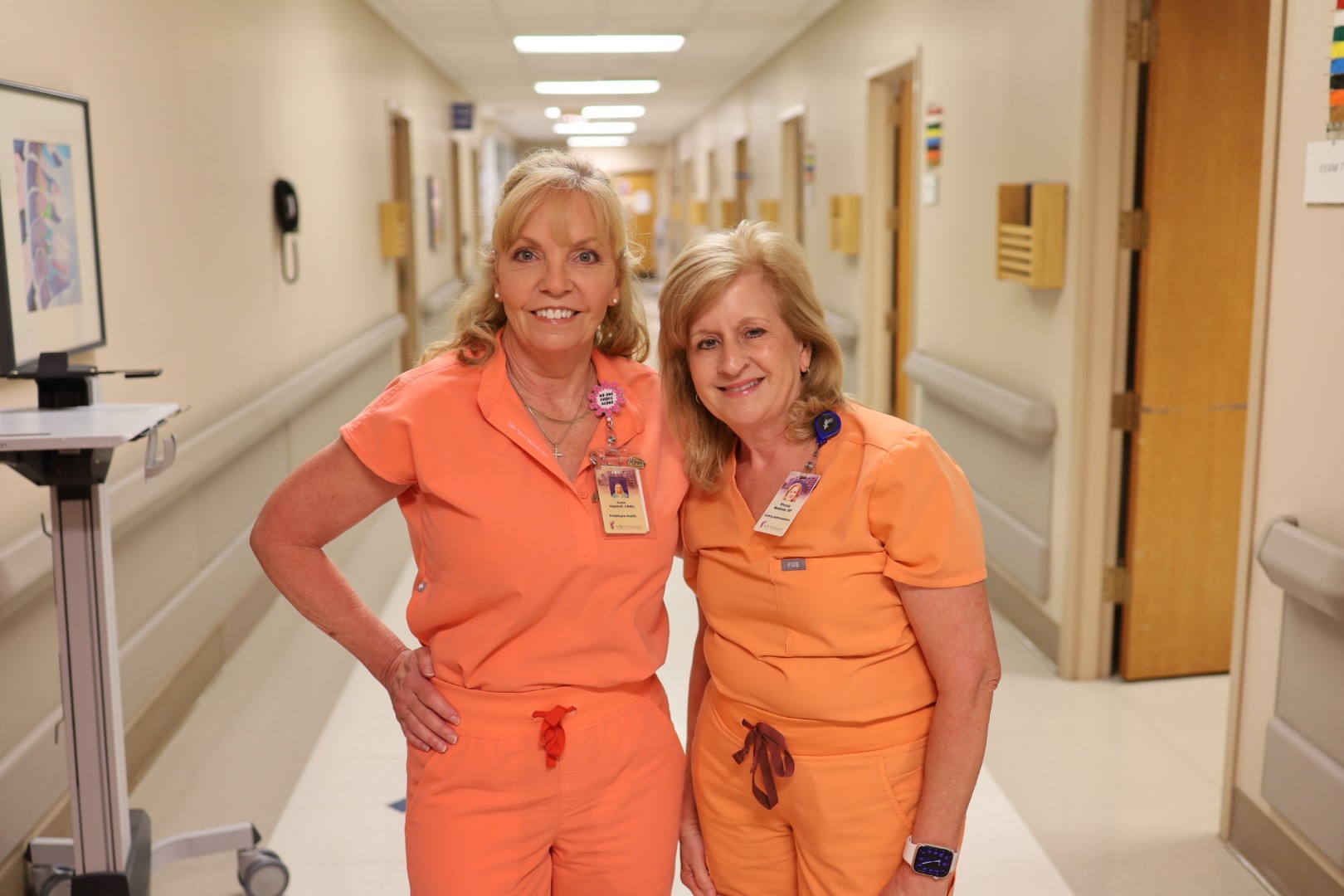
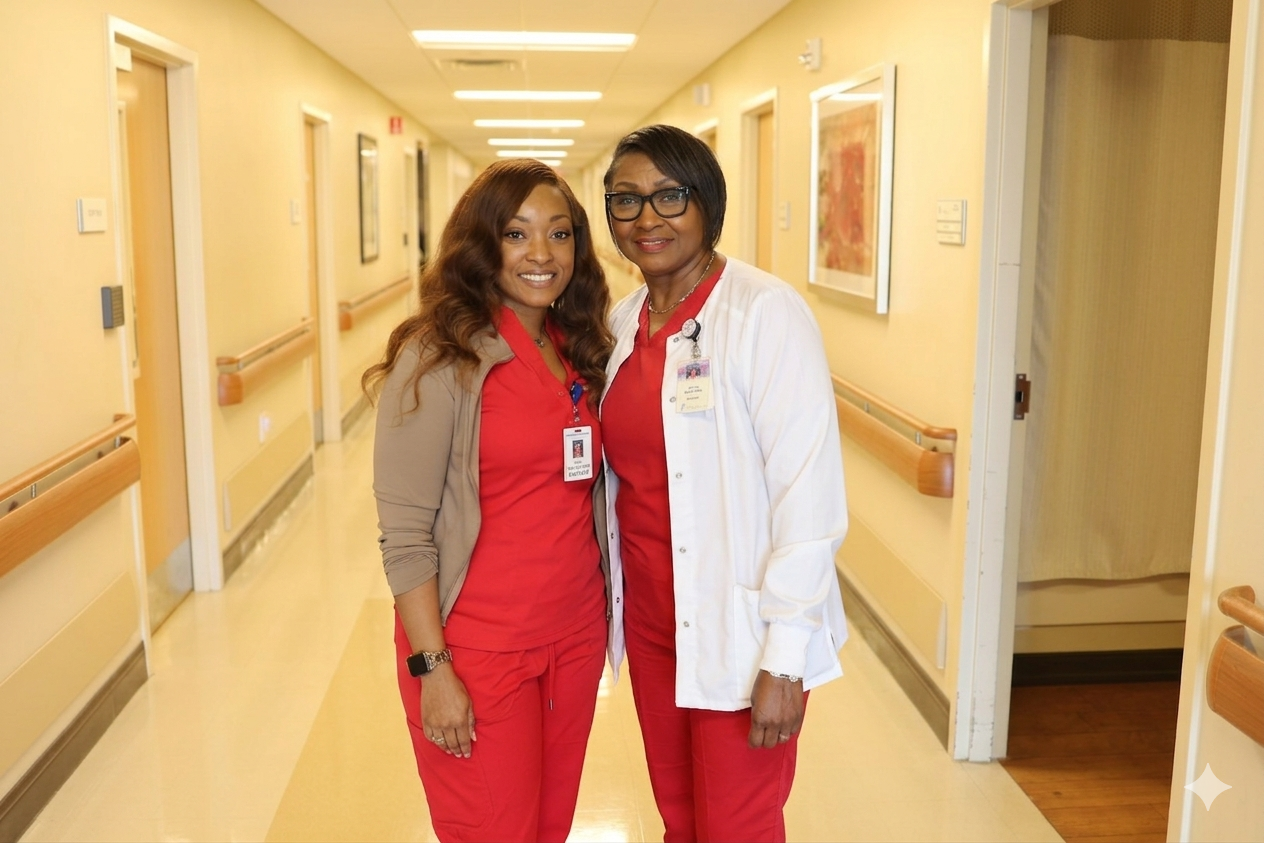
How Our Nurses Care
At Methodist Rehabilitation, nurses are not only part of the care team. They are often the constant presence that holds a patient’s entire recovery experience together. Rehabilitation is different from other areas of healthcare. It is not centered on a single intervention. It is built on progress that unfolds over time, often in small and hard-earned steps. Nurses are the ones who walk alongside patients through that process every day.
They are there at the beginning when patients are adjusting to a new reality after an injury or illness. They are there during the middle, when motivation may waver, and progress feels slower than expected. And they are there at the turning points, when something finally clicks and a patient realizes they are capable of more than they thought possible.
Nursing requires a rare combination of clinical skill and emotional presence. On the clinical side, nurses manage complex medical needs, monitor changes in condition, coordinate with physicians, and support therapy plans that are carefully designed to restore function. They are constantly assessing, problem-solving, and adapting care based on how each patient responds.
But what makes rehabilitation nursing truly distinct is the human connection that develops over time. Patients are not just seen for a brief encounter. Nurses get to know them, their fears, their goals, and their families. They understand what matters most to each person, whether that is walking again, returning home safely, or regaining independence in daily activities.
At Methodist Rehab, this relationship becomes a powerful part of recovery. A patient may forget specific instructions from a therapy session, but they remember the nurse who encouraged them when they were discouraged or who noticed a small improvement they did not see in themselves. Those moments build trust, and trust becomes fuel for progress.
There is also a steady resilience required in rehab nursing that is not always visible from the outside. Progress ebbs and flows. A patient may take a step forward one day and struggle the next. Setbacks can be frustrating and emotional. Nurses are often the ones who help patients process those moments, reframe expectations, and stay engaged in their recovery plan.

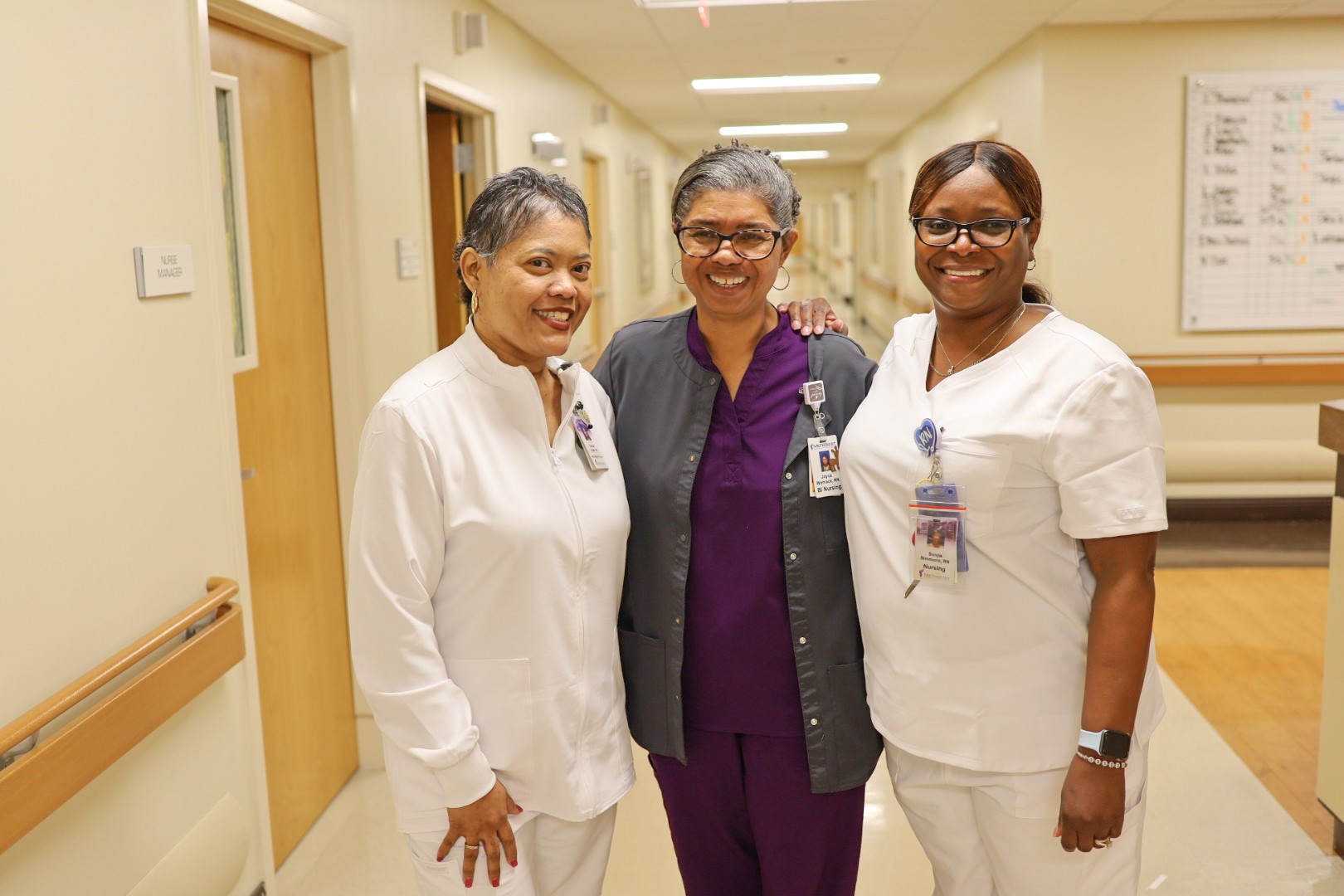
Our nurses play a vital role in preparing patients and families for what comes next. Discharge planning, education, and home readiness are not single events. They are ongoing conversations that nurses help guide from the beginning of a patient’s stay. That preparation is essential for long-term success after leaving inpatient rehab.
There is something powerful about watching a nurse celebrate a milestone that might seem small to others. It might be a patient sitting up on their own for the first time. It might be a successful transfer from their bed to a chair. It might simply be a moment of confidence that was not there before. In rehabilitation, those moments are everything.
As we reflect on Nurses Week, we also recognize that appreciation cannot be limited to a single week. The work our nurses do at Methodist Rehab is ongoing, and its impact extends far beyond our hospital walls. Every patient who regains independence carries a piece of that care with them into their life at home, in their community, and in their future.
Nurses Week may come once a year, but the difference our nurses make is felt every single day.