On June 16, 1988, Michael Johnson’s life changed forever.
At just 19, he was a newlywed with his eight-month-old daughter, Michaela, at home and a future he thought he could see clearly. But early that morning, something seemed off. His legs felt heavy. His energy drained. Later that day, his knees buckled beneath him without warning.
By the next morning, he couldn’t move at all.
Doctors soon diagnosed him with Guillain-Barré Syndrome, a rare and devastating disorder that turns the body’s immune system against its nerves. The paralysis spread quickly. Within days, Johnson was motionless from the neck down. Even breathing became impossible without a ventilator.
“I remember hearing the doctors tell my dad there was nothing more they could do,” he said.
Johnson slipped into a coma as his lungs filled with fluid due to pneumonia. His family stood helplessly at his bedside, told to prepare for the worst. But his father refused to accept that. With unwavering faith, he insisted that the doctors do everything possible to keep his son alive.
“They prayed over me every single day,” Johnson said.
Eventually, doctors suggested a desperate, last-ditch option: the iron lung, a mechanical respirator associated with treating polio decades earlier. The transition would be risky. But his father said yes.
And slowly, Johnson began to fight his way back.
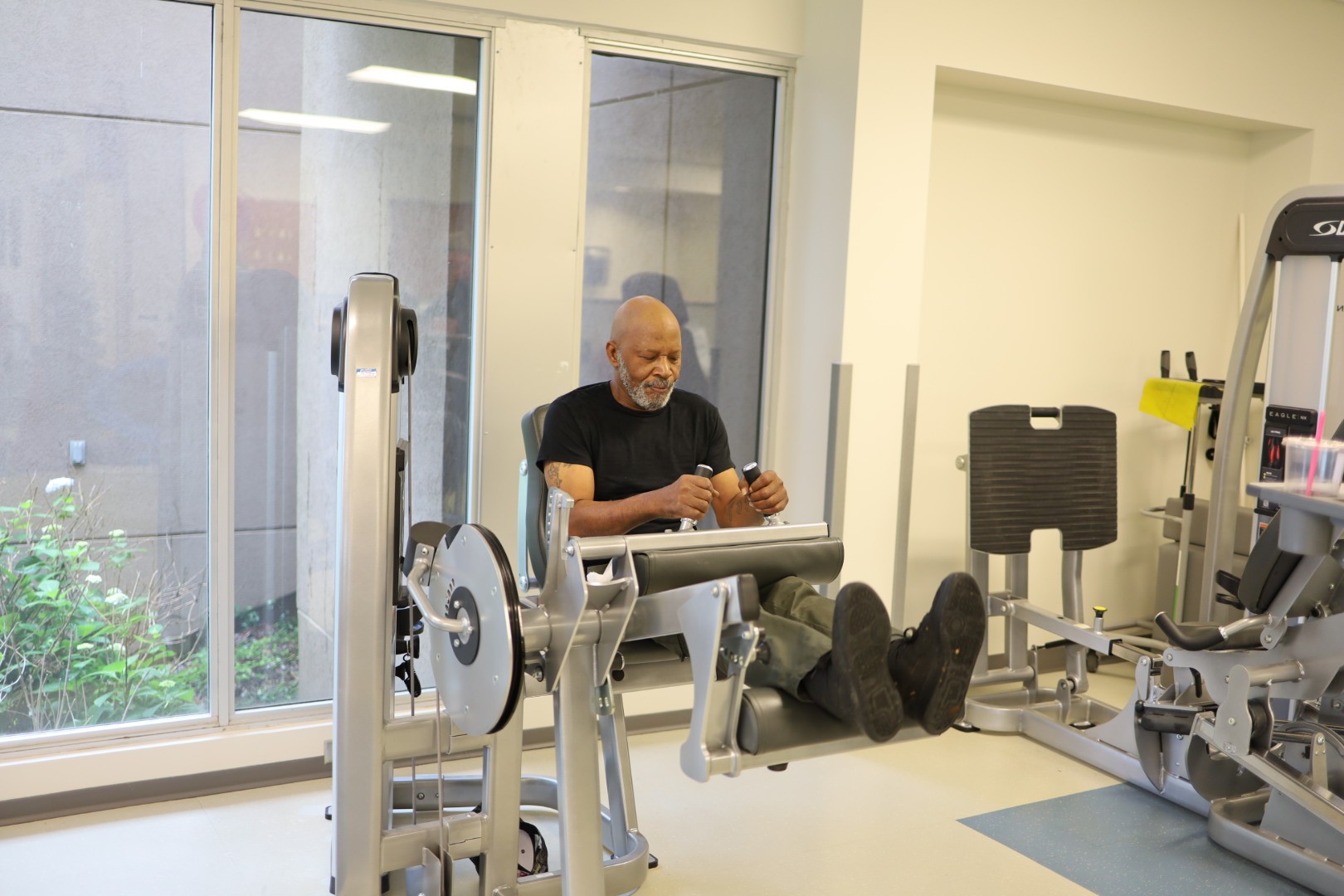
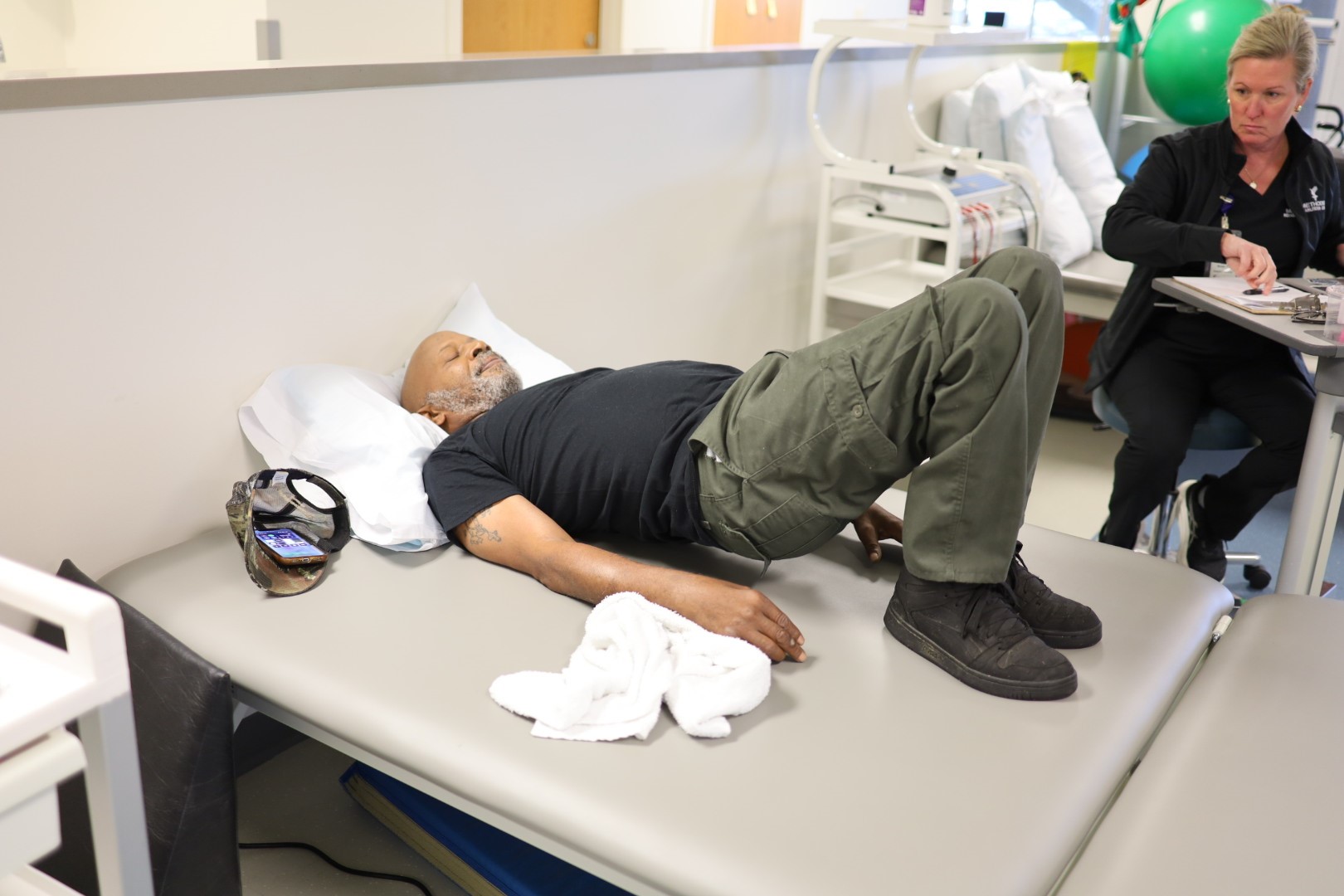
After eight months in the hospital, he transferred to Methodist Rehabilitation, where he began the long, grueling journey of reclaiming his life.
It was hard. Harder than he expected.
He started in a power wheelchair. Then a manual one. He wore long braces on his legs and forced himself to stand, even when his body trembled with exhaustion and his mind screamed to stop.
“There were days I didn’t think I could keep going,” he said. Depression weighed heavy. But his therapist at the time, Rachel Jacobson, reminded him he still had a future worth fighting for.
One small victory at a time, Michael built that future.