
There is a phase in recovery that often feels slower than the beginning. This is the stage where the surgery is over, the hospital stay may be ending, and caregivers may assume the hardest part has passed.
But for many patients, this is the stage where recovery becomes more personal and more demanding in quiet ways. Healing is no longer simply about closing a wound. It becomes about preparing the body for what comes next.
Bret Lee, CPO, says clinicians spend this phase watching carefully for signs that healing is progressing the way it should.
“At this point, pain is subsiding, and there is no drainage or signs of irritation,” he said. “Patients are doing well, preventing muscle or joint stiffening, also known as contractures.”
Those signs carry significant meaning.
Healing has to become stable before fitting can begin
One of the most important goals during this phase is achieving stability in the residual limb. Swelling has to become manageable, skin integrity has to improve, and the incision has to continue healing without complications.
“The incision should be well healed with only small scabs remaining before test fittings begin,” Bret explained.
Even minor skin concerns can affect the timeline for prosthetic fitting.
“Pain that is not manageable both to pressure and neurologically can cause complications that can delay a prosthetic fitting,” Bret said, “and edema that is not well controlled makes socket fittings very difficult.”
Recurring skin irritation can also delay progress. Clinicians say the residual limb must be healthy enough to tolerate the pressure and contact that comes with a prosthetic socket, which is a custom-fitted “cup” that holds the residual limb, which is the custom-made portion of a prosthesis (artificial leg) that contains the remaining portion of the limb after an amputation, and connects it to the artificial limb.
This is one reason the process cannot be rushed. A patient may feel emotionally ready to move forward long before the body is fully prepared to do so.

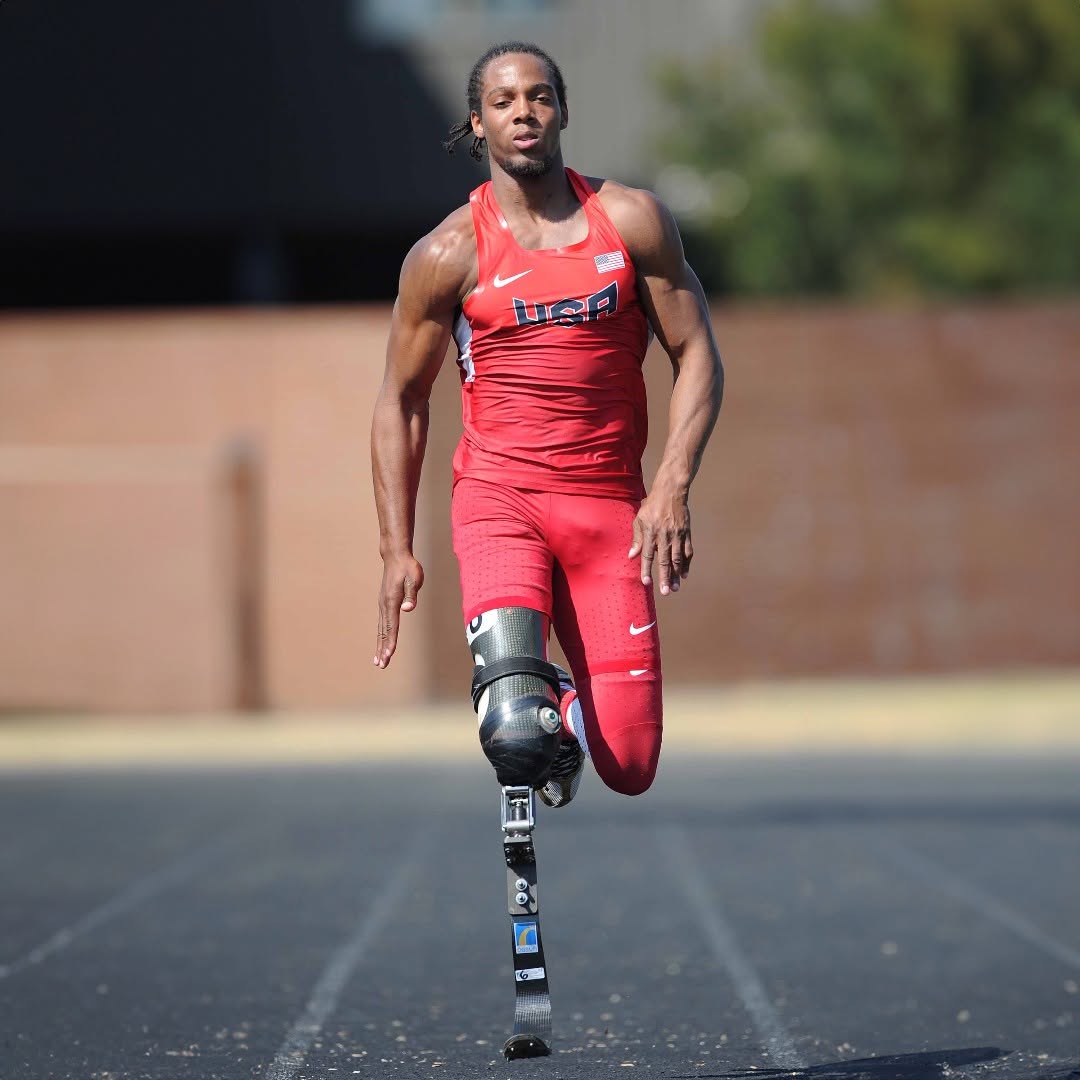
Limb shaping becomes part of everyday life
During this stage, compression therapy becomes even more important.
Textile garments that provide gentle compression to the limb, often called shrinkers, and compression wrapping are used regularly to reduce swelling and shape the residual limb into a form that can eventually fit securely inside a prosthetic socket.
Lori Verhage, CPO, says this process plays a major role in long-term success. But she says clinicians are often paying attention to something else, too.
“If a person is a consistent user of a shrinker early on in the process, it may also indicate their willingness to be compliant later on in the process.”
That consistency matters because recovery at this stage is built around repetition of care, positioning, and effort. There are no shortcuts through it.
Recovery extends far beyond the residual limb
As healing progresses, patients are also learning how to move through daily life differently.
Mobility aids such as wheelchairs, walkers, crutches, shower chairs, and transfer boards all become part of the recovery process before a prosthetic device [CW2] is ever introduced. Home modifications often become part of this transition. In some cases, simple changes such as grab bars or ramps can make a meaningful difference in independence. In others, more involved adjustments like vehicle modifications may be needed to support mobility and daily routines as patients regain strength and confidence.
Lori says these tools are important because they help patients remain safe while also protecting long-term outcomes.
“A wheelchair with a leg extension will allow the patient to keep the leg extended when sitting, which reduces swelling in the residual limb plus also prevents a knee contracture from developing,” she explained.
These adaptations aren’t always permanent, but they are important. They allow patients to maintain independence while their bodies continue preparing for the next phase of recovery.
Mindset becomes part of the rehabilitation process
Physical healing is only one part of readiness. Attitude and motivation also begin shaping recovery in noticeable ways.
Clinicians say emotional readiness rarely develops all at once. It builds gradually alongside physical healing. Many times, patients are still adjusting to the reality of limb loss, which can bring a wide range of responses as they process what has changed in their lives. Clinicians often describe this adjustment as a grief process that may include shock, denial, anger, sadness, and gradual acceptance over time.
But, as acceptance comes into play, Bret says he has seen patients exceed expectations simply because they remained engaged in the process.
“Attitude is crucial,” he said. “I have treated patients who are great candidates who lack motivation and never successfully progressed to their potential. Then I have treated patients that are not the best candidates for various reasons who, by far, outperformed initial limitations,” he said. “I’d encourage anyone in their limb loss journey to start with baby steps and keep going.”
Over time, understanding the recovery process itself can also help reduce uncertainty. When patients know what to expect, they often feel more prepared for each stage of healing and rehabilitation. Peer support can also play an important role in that experience.
Clinicians often point patients toward educational and support resources such as the Amputee Coalition, where individuals and families can learn from others who have experienced limb loss. That connection can help patients feel less isolated during recovery.
With limb loss, recovery rarely belongs to the patient alone. Family members and caregivers often become part of the process in steady, practical ways, helping with transportation, appointments, home adjustments, and emotional support as daily life changes.
Their involvement often evolves over time, but it remains an important part of the recovery environment. Emotional readiness rarely arrives all at once. It builds gradually alongside physical healing.

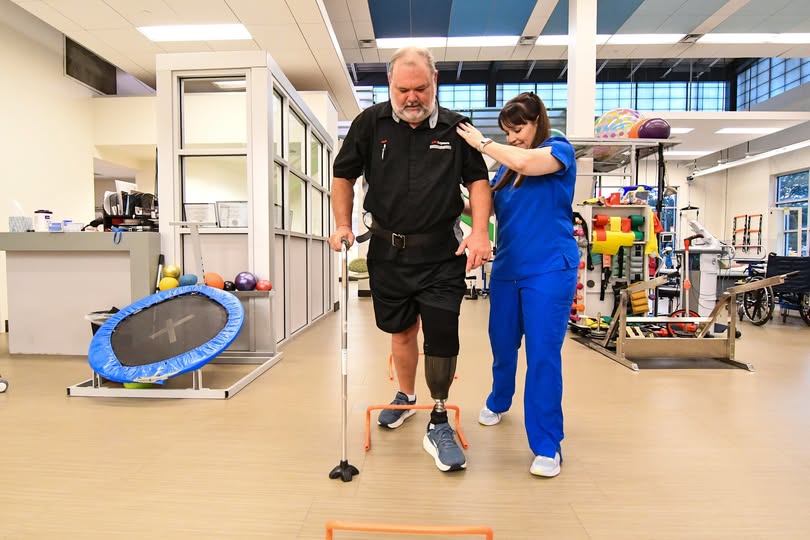
This stage is preparing patients for more than a prosthesis.
By the end of this phase, something important has changed. The body is no longer simply healing from surgery. It is beginning to prepare for movement again.
The residual limb has become more stable, swelling is more controlled, and daily routines are becoming established. And slowly, the conversation begins to shift toward prosthetic planning. Once healing becomes stable enough for evaluation, the focus changes again.
Recovery is no longer centered only on the body’s healing. It becomes about designing how the body will move forward. This is where prosthetic planning begins.